


Plan Chicago around education, short floor windows and the right registration category
- The event runs October 21 and 22 at Hyatt Regency Chicago.
- Morning education precedes the public exhibit periods on both days.
- Thursday's reception overlaps the final ninety minutes of the floor.
- Standard all-access registration is $325 for members and $425 for non-members.
- The official hotel cutoff is September 28, subject to availability.
- Current sources do not name the 2026 lead-retrieval product or complete ROI inputs.
What makes the Chicago edition distinct for door and hardware teams?
DHI conNextions 2026 runs October 21-22, 2026 in Chicago. The program is based at Hyatt Regency - Riverside Center. The organizer positions it around the non-residential door and hardware industry, which makes the page relevant to commercial openings rather than general building products.
The organizer's programme includes classroom education, demonstrations, an architectural-openings keynote and conNextions Live floor sessions. That mix matters when a purchase depends on fire protection, access control, accessibility or installation details rather than a catalog description alone.
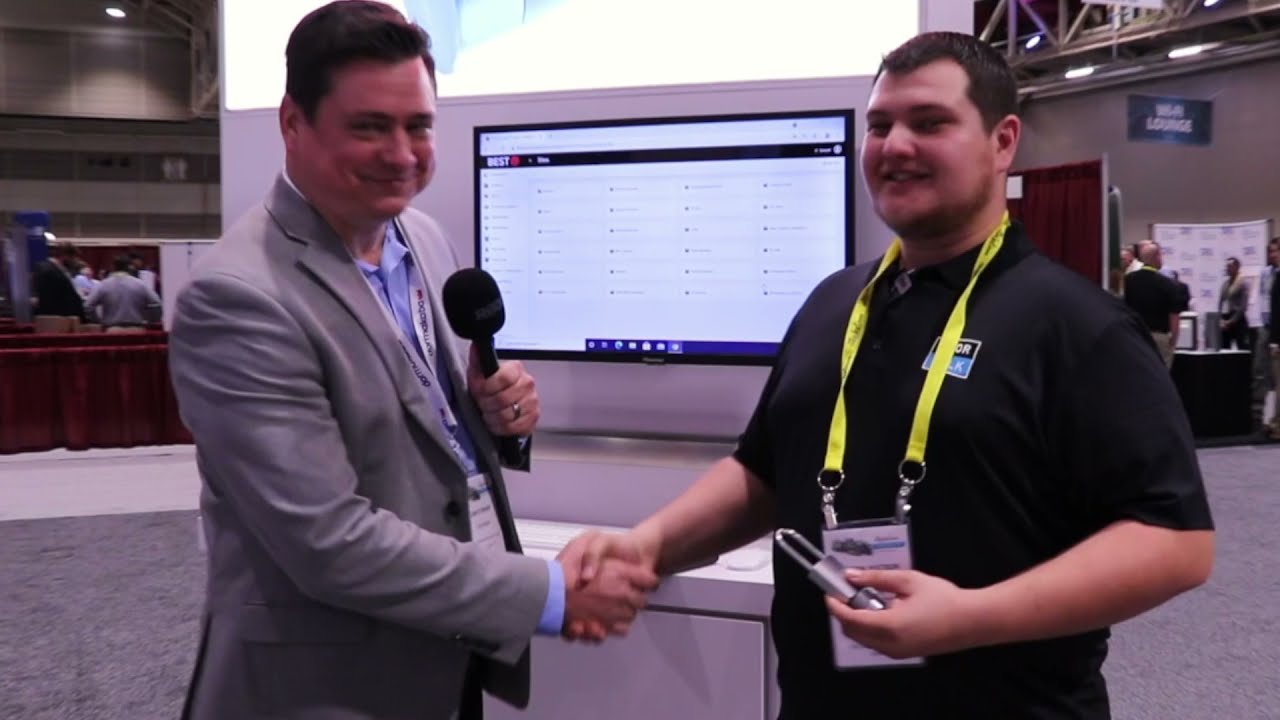
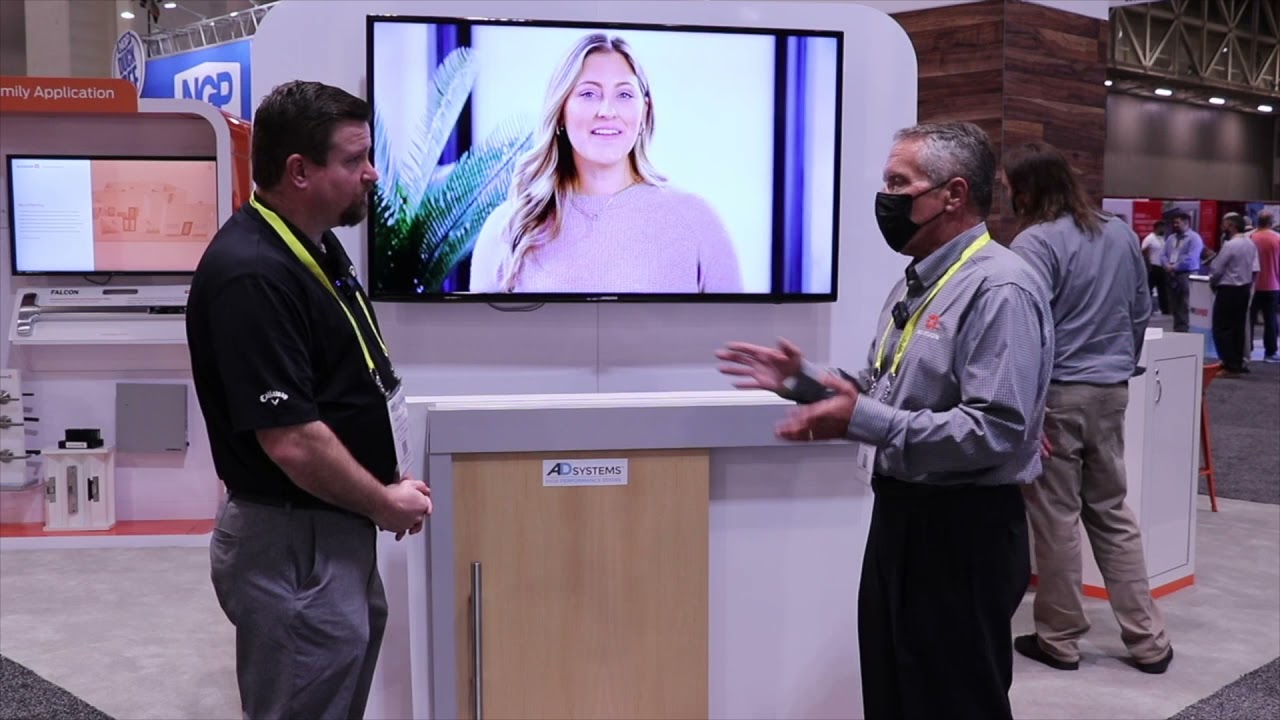
IRONMARKETS operates the event with DHI. The current venue is Hyatt Regency Chicago, not the Fort Worth location seen in prior-edition coverage. Historical photos in this guide illustrate the event format; they do not show the forthcoming Chicago edition.
The official event site controls current dates, registration and programme links. Its 2026 schedule is the relevant edition for travel and exhibitor planning.
Which architectural openings professionals fit the 2026 audience?
The event is framed for the non-residential door and hardware industry. The 2026 education offer includes over 20 courses. Six AIA HSW-approved courses add a defined continuing-education component for architects and code-focused professionals. That evidence supports an audience of manufacturers, distributors, specifiers and security practitioners without inventing demographic percentages.
An architect can use technical education to evaluate design requirements. A distributor can compare product lines and discuss supply, compatibility or service needs with manufacturers. An exhibitor has a different objective: explain a product's application clearly enough to earn a project-specific follow-up.
For existing customers, expansion may concern another building, a replacement programme or a different opening type. New-account discussions can test channel fit or a specification requirement. Neither use case establishes that every attendee has an active procurement project.
The registration distinction is important: a non-exhibiting manufacturer or supplier pays the special $2,495 rate and cannot use an attendee badge to solicit business on the floor. A consumer-only product unrelated to commercial openings is a poor audience fit.
When are education, the keynote and exhibit floor open?
Wednesday education runs 8:00 AM to 12:00 PM before the exhibit hall opens 12:00 PM to 4:30 PM. Thursday moves from education at 8:00 AM to 11:30 AM into an 11:30 AM keynote and 12:30 PM to 4:30 PM exhibits. The floor reception occupies 3:00 PM to 4:30 PM Thursday.
- Activity: Registration; Wednesday, October 21: 7 a.m. to 4:30 p.m.; Thursday, October 22: 7 a.m. to 4:30 p.m.
- Activity: Education; Wednesday, October 21: 8 a.m. to noon; Thursday, October 22: 8 to 11:30 a.m.
- Activity: General exhibits; Wednesday, October 21: Noon to 4:30 p.m.; Thursday, October 22: 12:30 to 4:30 p.m.
- Activity: Main networking; Wednesday, October 21: Flight Club, 6 to 8 p.m.; Thursday, October 22: Floor reception, 3 to 4:30 p.m.
Thursday's architectural-openings keynote runs 11:30 a.m. to 12:30 p.m. on the show floor. Fern's calendar describes floor access beginning at 11:30; the attendee schedule labels general exhibiting from 12:30. Those are different programme labels, not an extra hour of ordinary booth appointments.
The live attendee schedule remains the reference for programme changes. Exhibitor setup and freight access follow a separate contractor calendar.
How should the two-day program be divided between classes and meetings?
Wednesday pairs 8:00 AM to 12:00 PM education with a 12:00 PM to 4:30 PM floor. Thursday compresses education, keynote and exhibits between 8:00 AM and 4:30 PM. The offsite kickoff runs 6:00 PM to 8:00 PM. Thursday networking overlaps the final 3:00 PM to 4:30 PM floor period.
- Wednesday: arrive before an 8 a.m. class, use the noon opening for prioritized booth visits, then leave travel time for Flight Club at 111 West Wacker Drive.
- Thursday: finish classroom learning before the 11:30 keynote, use the early afternoon for technical follow-ups, and account for the 3 p.m. reception overlapping the final floor period.
The architect luncheons occupy noon to 1 p.m. Wednesday and 12:30 to 1:30 p.m. Thursday. Those activities compete directly with the opening exhibitor windows for eligible participants.
A manufacturer serving architects benefits from short, application-specific demonstrations after those sessions. A distributor negotiating product support may prefer an agreed appointment away from the busiest presentation. Busy periods are planning judgments, not organizer attendance forecasts.
Where does the Riverside Center fit into the event plan?
The edition dates are October 21-22, 2026. Hyatt Regency - Riverside Center is the published host venue. The Chicago Riverwalk is approximately a 9 minute walk from the event site. Current room assignments and the live floor plan remain the right references for movement inside the property.
The published education schedule names rooms including Regency A and Regency C. General exhibits, conNextions Live and Thursday's keynote use the floor programme. Room labels in an individual session record are more useful than assuming every activity takes place beside a booth.
The official floor-plan link provides current exhibitor locations. Registration opens at 7 a.m. on both public days. The venue address does not establish a freight delivery dock; that comes from Fern's exhibitor instructions.
Architect luncheons and receptions are scheduled activities with their own access conditions, not evidence of unrestricted catering throughout the building. Accessibility requirements belong with the organizer and hotel access arrangements. Specific entrances, quiet meeting areas and security procedures are not fully described in the public floor information.
Which airport and downtown route best protects the first session?
The organizer places O'Hare approximately 18 miles away with a 35-40 minute drive estimate. Midway is approximately 12 miles away with a 25-30 minute estimate. Downtown movement is more compact once onsite, with the Chicago Riverwalk approximately a 9 minute walk away. These estimates are planning inputs, not guaranteed transfer times.
Those published parking rates are not a guarantee of availability or the price at every nearby garage. A driver needs the actual facility's entry conditions, vehicle restrictions and return time. The hotel address is not the same as an approved rideshare loading position.
O'Hare and Midway are potential Chicago arrival airports; the organizer does not publish a dependable airport-to-session travel time. Allow for baggage collection and downtown traffic rather than treating a map estimate as a conference appointment buffer.
Comfortable footwear helps with repeated floor visits, and layers suit a mix of meeting rooms and outdoor transfers. Public materials do not establish attendee Wi-Fi capacity or charging locations. A saved floor plan and confirmed room names reduce reliance on connectivity without implying that the event app works offline.
Which registration rate applies before October 21?
Standard registration runs Sept. 7 to Oct. 20. During that window, member all-access costs $325 and non-member all-access costs $425. A non-exhibiting manufacturer or supplier pays $2,495, a separate category that should not be treated as an ordinary attendee discount.
- Registration period: Through July 5; Member all-access / hall: $250 / $40; Nonmember all-access / hall: $350 / $50
- Registration period: July 6 to September 6; Member all-access / hall: $275 / $45; Nonmember all-access / hall: $375 / $55
- Registration period: September 7 to October 20; Member all-access / hall: $325 / $50; Nonmember all-access / hall: $425 / $60
- Registration period: October 21 and 22; Member all-access / hall: $375 / $60; Nonmember all-access / hall: $475 / $70
All-access includes education. The hall pass includes the two exhibit days, kickoff and networking reception, with education sold separately: the attendee page lists $100 sessions and $150 workshops.
The $2,495 non-exhibiting manufacturer/supplier category is not interchangeable with the discounted attendee rates. The organizer also offers credential-based architect registration through its verification route. The exact approved rate appears in that process.
Use the official registration form. No current public group, student or press price is established by this table.
Which current badge, cancellation and access rules are published?
The reviewed 2026 registration page publishes pass access and prices, but the current cancellation deadline, badge replacement fee and general age policy were not verified.
Timely cancellations incur the greater of a 20 percent deduction or $20. Substitutions submitted by the stated deadline have no penalty. The policy describes discretionary consideration of qualifying emergencies through October 2; that is not a general extension of the refund deadline.
Hotel and travel cancellation remain the registrant's responsibility. If the organizer cancels the event, the policy addresses refunding amounts paid; weather-related shortening or individual class changes do not establish a blanket refund entitlement.
Non-exhibiting manufacturers and suppliers cannot solicit in aisles, booths or other contracted event space. Hall access does not itself include classroom education. Badge replacement charges, general guest eligibility and an attendee advance-pickup period are not specified in the public policy reviewed for this guide. Registration corrections go through the official registration support route.
How should the September 28 hotel cutoff shape the stay?
The official hotel cutoff is September 28, 2026. The organizer names Hyatt Regency Chicago and Hilton Garden Inn as its hotel partners. At the host hotel, published parking is $92 per night for valet and $65 per night for off-site self-parking. Availability and reservation terms still come from the selected booking confirmation.
The Hyatt group-booking route identifies the event block. Hotel inventory remains subject to availability; a published cutoff does not guarantee that rooms will remain available until that date.
The travel information also names Hilton Garden Inn among accommodation options. A hotel outside the venue changes the trip between education, afternoon exhibiting and evening networking. No complimentary shuttle arrangement is established by that listing alone.
The public information does not supply a complete current nightly-rate matrix or universal cancellation terms. The selected room's confirmation governs deposits, cancellation and minimum-stay conditions. Unsolicited offers using the event name are not equivalent to the organizer's booking link, even when they quote a lower headline price.
Which arrival and departure windows protect the selling periods?
Wednesday exhibits run 12:00 PM to 4:30 PM after morning education. Exhibitor booths must be set by 11:00 AM that day. Product removal begins only after 4:30 PM on Thursday, October 22, 2026, so exhibitor travel must follow move-out obligations rather than the attendee closing hour alone.
An education attendee gains little from landing in Chicago after the first reserved class. An exhibitor transporting products has another constraint: all booths must be ready by 11 a.m. Wednesday under the contractor calendar.
Freight is not ordinary hotel luggage. The advance warehouse accepts shipments September 14 through October 14 at EFW c/o NextGen Frontline, 801 Lunt Avenue, Elk Grove Village, Illinois 60007. Its receiving window is weekdays, 8 a.m. to 3 p.m.; material-handling charges still apply.
Return transport depends on the move-out appointment and carrier check-in, not solely the booth staff's flight. Keep the freight contact and travel reservation separate. International visitors need government entry guidance and event documentation appropriate to their trip; no public automatic visa-letter entitlement is established here.
Which door-industry companies appear in the current sponsor set?
The current organizer sponsor presentation includes Taylor Entrance Systems. It also names dormakaba. Gensteel Doors appears in the same sponsor set. These verified names are useful starting points, but they do not establish booth numbers, product launches or a complete exhibitor roster.
National Custom Hollow Metal Doors & Frames is associated with the Wednesday kickoff sponsorship. A sponsorship mention establishes that commercial role; it should not become an invented booth number or a claim about every company's product launch.
The programme adds sliding-door locking, heavy-glass entrance systems and specification-focused discussion to the purchasing context. These subjects help a visitor distinguish structural products, hardware distribution, access technology and professional services.
A live directory is more reliable than a count inferred from photographed booths or last year's exhibitor list. The public materials reviewed do not establish a final audited 2026 exhibitor count, a complete emerging-company category or a fixed roster-update cadence. Current profiles remain the source for specific supplier claims.
How complete is the live exhibitor and floor-plan record?
The official site links a floor plan, but the reviewed public pages do not provide a stable final exhibitor total, complete category taxonomy or bulk export.
Start with the opening application: fire-rated assemblies, access control, heavy glass or another relevant requirement. A company solving the application may be a partner or competitor rather than a buyer. Record that distinction alongside the meeting reason.
Use current booth numbers from the floor plan. Store a company website, the relevant product family and any existing CRM relationship in the research handoff. A directory profile is not permission to harvest personal contact details or purchase a purported attendee database.
Public directory access does not establish a bulk export, saved-list entitlement or account-login capability. Where those controls are absent or gated, a permitted shortlist with source links is sufficient. Roster changes matter most for priority appointments and products, not a recurring generic rewrite of every listing.
What do the course and floor-program formats cover?
The program advertises over 20 continuing-education courses. Six are identified as AIA HSW-approved courses. Thursday then connects morning education and an 11:30 AM keynote with exhibits from 12:30 PM to 4:30 PM. That sequence separates classroom depth from floor demonstrations.
Regency A hosts Architectural Openings 101, while the energy and performance session uses Regency C. Product-oriented entries include sliding-door locking and heavy-glass entrance systems. Those are more precise agenda inputs than a generic construction-technology track label.
Thursday's floor programme includes Shark Tank Spec Wars Finals from 3 to 4 p.m., overlapping the networking reception. The organizer advertises more than twenty AIA/ICC courses and the opportunity to earn six HSW credits; credit eligibility depends on the actual activity and attendance requirements.
The conference catalogue is the current session reference. No separate hosted-buyer programme or organized venue tour is established by the programme reviewed here.
Where are the strongest windows for technical meetings?
Wednesday provides a 12:00 PM to 4:30 PM exhibit window after morning education. Thursday offers 12:30 PM to 4:30 PM exhibits after its keynote. The 3:00 PM to 4:30 PM reception overlaps Thursday's floor, making earlier appointments preferable for longer technical discussions.
An attendee choosing a morning class cannot simultaneously staff an unrelated booth conversation. Divide education coverage by technical need, then reserve appointments around actual room and floor times. The architect luncheons overlap the beginning of general exhibits on both days.
The Wednesday kickoff runs 6 to 8 p.m. at Flight Club, while Thursday's reception takes place on the show floor from 3 to 4:30 p.m. Those settings provide different conversation lengths and noise levels; neither implies access to a private buyer meeting service.
Public session pages do not establish universal recordings, on-demand access or unlimited classroom capacity. Paid education add-ons and continuing-education attendance requirements remain distinct from a saved calendar entry.
Does the attendee profile match a commercial openings sales motion?
The organizer defines the market as the non-residential door and hardware industry. More than 20 courses broaden the program beyond a product display. Six AIA HSW-approved courses create a specific reason for architect and code-related attendance. Public sources do not support a percentage claim for buyer seniority or purchasing authority.
An ideal customer profile can be defined through application responsibility, channel position and project relevance. A hardware distributor, architectural specifier and facility stakeholder may influence the same opening through different decisions. Their job titles alone do not establish purchasing authority or budget.
The six-credit education offer and the architectural-openings keynote indicate a professional learning component alongside supplier evaluation. National Custom's kickoff involvement and the displayed door-industry companies illustrate commercial participation without proving a demographic share.
The current public pages do not provide a reliable census by company size, seniority, country or purchasing authority. A prior-edition headcount must retain its year if used. A viable ICP decision needs relevant accounts and applications, not a fabricated percentage of decision-makers.
Can exhibitors calculate a defensible target-account ratio?
Current sources describe the market and courses but do not publish an attendee list or same-edition buyer count needed for a target-account ratio.
Prioritize active opportunities involving a specification, product substitution or planned installation. Existing customers may have a different need: additional locations, supply continuity or training. The current directory can identify channel partners; session speakers can indicate expertise, not guaranteed attendance by an entire company.
A disciplined account plan should separate account tiers for immediate project decisions and longer-term distribution relationships, because those conversations require different preparation and follow-up. Give a priority account a responsible rep, a lawful contact route and an invitation tied to a real application.
The reviewed 2026 material does not establish unrestricted attendee-list access. Ignore unverified list offers and use only permissions granted in the actual exhibitor agreement. A scheduled meeting is stronger evidence of interest than a company's appearance in a roster.
What does the current app or web planner verifiably do?
The official pages link web schedule and floor-plan resources, but no current app title, store listing or 2026 feature specification was verified.
The map provides the venue-planning route; the catalogue supplies session times, rooms and speakers. Those verified functions should not be expanded into assumed messaging, appointment booking or digital-badge features.
The presence of eShow URLs identifies the linked web services. It does not prove the identity of every onsite supplier or a particular lead-retrieval product. A sponsor's app listing similarly describes a placement, not a technical specification.
Account requirements, web-to-mobile synchronization, schedule notifications and offline operation are not fully disclosed in the reviewed current pages. Keep confirmed appointment and room details in the team's own calendar while using organizer updates for the live schedule. This is a planning fallback, not a claim that the official app is unavailable.
Where does itinerary planning end and sales capture begin?
No current organizer source documents appointment messaging, CRM handoff or sales-note fields inside the planner, so its boundary with capture remains unverified.
A visitor interested in a heavy-glass entrance may have a specification question, an installation problem or an active purchase. Saving a booth location does not distinguish those cases. Capture the relevant application only with the visitor's permission.
The public app information does not establish lead-export fields, offline retrieval or CRM synchronization. A weak-network contingency therefore needs to be based on the selected capture product's tested behavior, not assumptions about the organizer's planner.
Keep the itinerary in the planning tool and the authorized contact, application, next step and rep responsibility in the sales record. Minimize unnecessary building-security details in shared notes. A conference badge is not unrestricted consent to circulate a customer's project information.
Which exhibit costs are verified, and which remain private?
Current public pages disclose registration, hotel and selected service deadlines, but the full 2026 booth rate and ordered-service total remain outside the reviewed record.
- Cost or provision: Standard booth setup; Current published detail: Eight-foot black back drape, three-foot side rails and identification sign
- Cost or provision: Booth floor covering; Current published detail: Optional; exhibit hall has grey carpet
- Cost or provision: Staff access; Current published detail: Four all-access passes for 10-by-10, two more per additional booth increment described by the organizer
- Cost or provision: Customer invitations; Current published detail: Fifty complimentary exhibit-hall passes
- Cost or provision: Fern discount deadline; Current published detail: September 25, 7 p.m. Central Time
- Cost or provision: Advance freight; Current published detail: September 14 to October 14, weekday receiving 8 a.m. to 3 p.m.
- Cost or provision: Final booth readiness; Current published detail: October 21, 11 a.m.
Furniture, electricity, internet, labor, freight and material handling can create separate costs. A historical prospectus from another edition is not the Chicago rate card. The exhibitor contract and Fern order portal determine current prices, insurance obligations and display permissions.
How many reps can cover the 8.5 public floor hours?
Wednesday exhibits run 12:00 PM to 4:30 PM, while Thursday exhibits run 12:30 PM to 4:30 PM, totaling 8.5 public floor hours. Two representatives across both days provide four rep-days; at B2Brain's 31 scans per productive rep-day benchmark, that is capacity for 124 scans. This is a staffing model, not an organizer forecast. [See the event staffing method](https://www.b2brain.com/event-exhibitor-planning-guide)
Four included passes are a package allowance, not proof that every booth needs four people. A technical demonstration may need a product specialist while another rep qualifies the application and schedules follow-up. Rotate breaks around confirmed customer appointments.
Use the relevant opening type in the booth message. The questions for a distributor considering a product line differ from those for an architect reviewing a heavy-glass specification. Record the distinction before promising materials or a specialist call.
Conversation and meeting targets are internal planning choices, not organizer benchmarks. Prepare the follow-up destination before opening; review unresolved applications after each shift. Giveaway and demonstration permissions come from the current exhibitor rules. The no-solicitation policy for non-exhibiting suppliers does not disappear during networking.
Which official lead-retrieval product is documented for 2026?
No current-edition order form or exhibitor-services page names a lead-retrieval vendor for DHI conNextions 2026.
The appropriate confirmation route is the contracted exhibitor resource area and organizer support. A historical provider reference or an older prospectus cannot establish the current product, price or device requirements.
The unresolved details include mandatory-use rules, ordering deadlines, early-order pricing, activations, supported operating systems, scanning method, training, onsite help and retention terms. Their absence from the public pages is not evidence that the service does not exist.
This guide therefore keeps the comparison neutral. A buyer needs the event-specific order document before relying on a vendor name or a claimed integration. The current show dates, Chicago venue and contracted exhibitor role should all match that document.
Which badge fields and exports are confirmed for the official tool?
Without a verified current product document, badge fields, note formats, exports, offline behavior and integrations cannot be stated responsibly.
A useful specification distinguishes contact retrieval from the application discussed. In this programme, that may mean a fire-door assembly, a heavy-glass entrance or a locking requirement. The contact record alone does not establish the customer's intended next step.
The public record does not resolve written or voice notes, photos, business cards, ratings, enrichment, duplicate handling, rep routing, meeting booking or manager reporting. CRM destinations, offline behavior and export timing also require current product documentation.
These are unanswered specification questions, not negative claims about a competitor. A sample export and the contracted feature list can establish whether the existing package already captures the information needed for a reliable sales handoff.
How can B2Brain fit without an unsupported replacement claim?
B2Brain can be described only through approved capabilities; the missing official-tool specification prevents a verified replacement comparison for this show.
B2Brain connects pre-event account preparation, floor conversation capture and meeting booking with post-event CRM opportunity work. That is relevant when a specification question must reach a technical specialist rather than disappear into a generic attendee list.
Authorized badge retrieval and directly supplied customer information are different data sources. An independent capture workflow grants neither access to restricted DHI registration data nor organizer endorsement. The selected setup must respect the actual event agreement.
Use the team's supported devices and tested connectivity arrangements. Preserve the buying role, current process, blocker and agreed next step. Whether one product or two performs those jobs depends on documented capabilities, permissions and configuration, not an assumed deficiency in the official offering.
When is one capture system enough, and when are two justified?
A one-tool or two-tool decision needs current badge rights, fields, exports and pricing, none of which are published in the reviewed 2026 sources.
- Decision: Official service alone; Appropriate condition: Its documented fields, permissions and exports meet the booth's requirements
- Decision: Combined workflow; Appropriate condition: Registration-linked contact retrieval and richer application context perform distinct necessary jobs
- Decision: Independent capture; Appropriate condition: The visitor supplies information lawfully and restricted badge decoding is unnecessary
- Decision: Reject extra tooling; Appropriate condition: Duplicate entry adds cost without improving the agreed sales handoff
A disciplined account plan should testing a real specification discussion through the complete CRM route, because the result matters more than the number of fields on a scanning screen. Keep one system of record, reconcile duplicate contacts and apply the company's retention and consent rules.
Current official software pricing is not established here, so no numerical savings claim is justified.
Which conversation fields are supported by current event evidence?
The program identifies door-security subject matter but does not prescribe sales qualification fields or a mandatory booth conversation template.
Ask what opening or project is involved, how the current process works and which requirement creates the obstacle. Record relevant timing and the people responsible for specification, purchasing or installation. Do not infer those roles from a job title alone.
Qualification should state why another conversation is useful. A request for a product sheet differs from a committed technical review. If a meeting is accepted, retain the purpose, participants and responsible rep alongside the time.
Limit information to what the visitor agrees to share. Sensitive access-control layouts or building vulnerabilities do not belong in broadly accessible lead notes. A clear, permission-based record can preserve commercial context without copying confidential project material.
What qualification pace can the published schedule sustain?
The floor schedule is published, but no organizer benchmark establishes qualified-conversation volume, scan pace or staffing productivity.
B2Brain reports conversation capture in under thirty seconds, supporting short handoffs without reducing qualification to a name and badge. The minimum useful record still includes the account, application, responsible rep and promised next action.
Reconcile repeated conversations with the same company without merging distinct stakeholders into one anonymous contact. Escalate an immediate technical requirement to the appropriate specialist; separate it from a long-term channel conversation.
Test the chosen offline contingency before opening. After each shift, review records missing context and synchronize any permitted offline capture. End-of-day checks can expose an unfulfilled specification request while the rep still remembers the discussion, rather than after the booth has shipped out of Chicago.
Which follow-up dates follow the October 22 close?
The event runs October 21-22, 2026. The floor closes at 4:30 PM on Thursday, October 22, 2026. The two-hour follow-up window ends at 6:30 PM that day, while the one-week mark is October 29. These dates translate B2Brain's published lead-decay windows into an event-specific operating schedule. [See the follow-up timing method](https://www.b2brain.com/event-exhibitor-planning-guide)
Confirm accepted meetings first, including the promised technical preparation. An active specification request deserves a defined response deadline; general product interest belongs in an appropriate permission-based sequence. The deadline is a company service commitment, not an organizer policy.
Existing customers and opportunities need coordination with the current account team. B2Brain reports 100% event-to-CRM attribution, including deal and opportunity creation so captured context can accompany the commercial record instead of becoming a disconnected spreadsheet.
Sales and marketing need the same account identity, use case, consent and next step. A product sheet promised at a booth should not be replaced by a generic conference recap. Review outstanding commitments immediately after the event, then track progress on the schedule appropriate to the project's buying cycle.
Which verified inputs are available for an ROI calculation?
Verified pass and hotel costs remain usable, but booth spend, conversion rate, meeting value and attributable return are not all available, so ROI is not calculated.
Separate scans from qualified conversations. Count an opportunity only when it meets the company's definition, and distinguish newly sourced business from an existing project that advanced after the show. A named specifier, resolved product question or accepted technical meeting can support that attribution.
B2Brain defines Leads-to-Meeting as meetings booked divided by qualified leads. Consistent qualification makes that measure more useful than comparing raw badge totals between events with different audiences.
- Measure: Cost per qualified conversation; Calculation: Total event spend divided by qualified conversations
- Measure: Cost per opportunity; Calculation: Total event spend divided by attributable opportunities
- Measure: Financial ROI; Calculation: Attributable realized return minus total cost, divided by total cost
Use a measurement window matched to the construction or channel sales cycle. Open pipeline is not realized return. The return-next-year decision should reflect account relevance, project progression and full cost, not the number of people who accepted a giveaway.