


What is Food & Nutrition Conference & Expo 2026, and why does it matter?
FNCE 2026 is the Academy of Nutrition and Dietetics' annual meeting for food and nutrition professionals, running October 24-27 in San Antonio. The Academy describes it as the world's largest meeting of food and nutrition experts, with more than 7,000 dietitians, researchers, policymakers, health care providers and industry leaders represented in its audience. For exhibitors, that concentration makes the event useful when a product or service genuinely supports nutrition practice, research, foodservice, education or patient care.
The event is both a professional education programme and a commercial Expo, so success looks different for attendees and exhibitors. An attendee may judge the trip by usable CPE and peer exchange; an exhibitor should judge it by relevant conversations and documented next actions. The public programme supports those aims, but it does not guarantee buyer authority or business outcomes. Treat attendance scale as context, then qualify each conversation on its own evidence.
Who should attend or exhibit at FNCE 2026?
The programme is built for RDNs, NDTRs, researchers, educators, students, policymakers, clinicians and leaders across food, health and nutrition. The Expo is appropriate for companies whose products, programmes or services directly relate to food, nutrition, wellness or dietetics; first-time exhibitors must pass the Academy's review process. Consumer offers with no evidence-based connection to the profession are a poor fit, and several aggressive-sales product categories are explicitly excluded.
For attendees, the 16 education tracks make role and specialty fit easier to test before buying a pass. For exhibitors, the Academy's review criteria require accurate, evidence-based product claims and may require packaging, labels or substantiation. That makes scientific and regulatory preparation part of booth readiness. A team that cannot explain its professional relevance, intended user and supporting evidence should resolve those gaps before planning promotions or samples.
When is FNCE 2026, and what are the Expo Hall hours?
The conference runs Saturday, October 24 through Tuesday, October 27, 2026. Education begins Saturday, while the Expo Hall in Hall BC opens Sunday and Monday from 9 a.m. to 3:30 p.m. Central and Tuesday from 9 a.m. to 1 p.m. Registration opens a day earlier, Friday, October 23, from noon to 5 p.m.; the published schedule is subject to change.
The wider programme is longer than the Expo itself. Saturday includes workshops, excursions, an Opening General Session and the Welcome Party, while Sunday through Tuesday combine education with Hall BC activity. The registration desk also keeps different hours from both programmes. Put conference sessions, Expo appointments and registration tasks in separate calendar categories so a published opening time is not mistaken for access to every area.
How should teams plan each day at FNCE 2026?
Use Saturday for workshops or excursions, the 3-5 p.m. Opening General Session and the Welcome Party immediately afterward. Reserve Sunday and Monday mornings for high-priority education, then use the Expo's 9 a.m.-3:30 p.m. window for booth meetings, poster viewing and demonstrations. Tuesday is compressed: education ends at 11 a.m., the Expo closes at 1 p.m. and the Closing General Session runs noon-1 p.m., so final follow-ups need to be scheduled early.
Monday also includes Mission in Motion from 10 to 11:30 a.m. and the Member Product Marketplace within the 9 a.m.-3:30 p.m. floor window. Networking receptions extend into the evening on multiple days. For booth teams, shift schedules should protect breaks and session attendance without leaving the stand uncovered. For attendees, decide whether the highest-value interaction belongs in a lecture, poster period, booth appointment or reception before filling the calendar.
Where is FNCE 2026, and how is the venue organised?
The main venue is Henry B. González Convention Center, 900 E. Market St., San Antonio, Texas 78205. The Expo occupies Hall BC, while some official events may use the Grand Hyatt San Antonio River Walk or San Antonio Marriott Rivercenter. Check the event schedule or app for the actual room before leaving the convention center because a hotel-based reception and an education session may require different routes.
Venue planning should account for format as well as distance. A poster discussion, Expo Theater briefing, general session and hotel reception can each have different traffic patterns and access rules. Save the exact location from the current event schedule rather than relying on a session title alone. If a meeting depends on a booth number, reconfirm it against the live floor plan shortly before the event because company profiles and locations may be updated.
How should attendees navigate the FNCE venue and surrounding area?
Onsite registration is on the convention center's first floor facing Market Street. Both headquarter hotels and the official hotel block are within nine walking blocks; ADA-accessible shuttles operate from Saturday through Tuesday for eligible attendees. The conference also provides a complimentary coat and luggage check during posted hours, useful on Tuesday when the Expo and closing programme overlap with departure plans.
The app is expected to carry maps, but accessibility and timing decisions should not depend on a last-minute download. Attendees can record access needs during registration, and live captions are planned through Wordly using a session QR code or link. Public restrooms are ADA accessible, designated seating is available in general and breakout rooms, and a tranquility room is planned. These details can materially change which routes and session transitions are practical.
How do attendees register for FNCE 2026, and which pass should they choose?
Standard full-conference pricing is $535 for Academy members, $365 for retired members, $285 for student members, $744 for eligible joining members and $780 for non-members. Saturday-and-Sunday and one-day passes are also offered for most categories; a $175 guest add-on covers keynotes and the Expo but not education or CPE. Choose by required education access first, then membership status and days onsite-not by the lowest headline price.
The joining-member category bundles eligible Academy membership with full-conference registration; it is not simply a discounted non-member ticket. Guest access is also narrow: it includes three keynotes and the Expo but excludes education sessions and CPE. The complete session-recording add-on is priced separately at $99 for members and $199 for nonmembers during registration. Compare the learning format and access rights before treating any two rates as equivalent.
What badge, cancellation, and access rules apply at FNCE 2026?
A badge is required for education, the Expo, offsite excursions and evening events, and a lost badge reprint costs $50. The ordinary cancellation deadline was September 9, 2026; eligible registration, workshop and excursion refunds before that date were reduced by a $50 processing fee. Later requests require documented extenuating circumstances and are not guaranteed, while exhibitor booth staff must be registered and at least 18 years old.
Children under 16 are generally not permitted in education sessions or the Expo Hall, with a limited infant exception during Expo hours, and guest rules apply to older young people. Strollers and roller carts are not allowed in the Expo or education rooms. Exhibitors face stricter staffing rules than ordinary attendees. These policies affect travel and staffing plans, so they belong in the pre-event checklist rather than being discovered at the entrance.
Where should attendees stay for FNCE 2026?
The two co-headquarter hotels are Grand Hyatt San Antonio River Walk at 600 E. Market St. and San Antonio Marriott Rivercenter at 101 Bowie St. The organizer directs registrants to its official onPeak housing channel and says official hotels are within nine blocks of the convention center. Before booking, compare the event rate, cancellation terms and walking route against the sessions you plan to attend at each property.
Some scheduled activity may occur at the headquarter hotels, making their location useful even for attendees who stay elsewhere. Use the official housing link rather than unsolicited room offers, and read the specific hotel's cancellation policy before payment. Event proximity reduces transit time but does not automatically make a rate cheaper or more flexible. A useful comparison includes nightly cost, taxes, walking distance, accessible transport and the location of early or late programme commitments.
What travel plan protects the most useful time at FNCE 2026?
Arrive before Saturday afternoon if the Opening General Session and Welcome Party matter to your plan, or by Sunday morning if the Expo is the priority. Build extra transit time around hotel receptions even though the official properties are walkable. For departure day, use the luggage check and remember that Tuesday's education, Expo and Closing General Session end at different times; do not schedule a flight around the Expo close alone.
Meals are not included in standard conference registration, although exhibitors may provide samples and some sponsored breaks may occur. That matters when building a tightly scheduled day: allow time for food outside the Expo rather than treating samples as a meal plan. Also save the convention center, hotel and airport addresses independently. A short urban distance can still create delay when a reception ends, the floor closes or several thousand attendees move at once.
Which exhibitors, sectors, and products are represented at FNCE 2026?
The Expo presents hundreds of booths spanning foods and beverages, nutrition products, clinical and wellness services, education resources, technology, foodservice, careers and professional services. It also includes the Expo Theater, Culinary Pavilion, Wellness Studio, Center for Career Opportunities and Member Product Marketplace. The public floor plan and current exhibitor directory-not a prior-year brand list-should be the source for company names and booth numbers.
The Academy frames the Expo as a marketplace for products, services and resources, but participation is not an endorsement. First-time exhibitors are reviewed for relevance and claims, and the prohibited-category policy is more restrictive than a general consumer exhibition. Buyers should still evaluate evidence, labeling and suitability themselves. Sellers should prepare staff to answer professional questions without implying that booth approval validates clinical efficacy or Academy support.
How should teams research the FNCE 2026 exhibitor directory?
Start with the current interactive floor plan and group targets by the attendee problem they address: clinical care, product innovation, foodservice, education, technology or workforce. Then map high-priority companies to Hall BC locations and leave time for the Culinary Pavilion, Expo Theater and career area. Recheck the directory near travel day because exhibitors manage their own public profiles through the Exhibitor Hub and listings can change.
Research should produce a route and a question, not just a list. For each target, record the booth location, relevant product category, public account context and the person or function you hope to meet. Rank targets by fit and timing, then cluster them geographically. The current floor plan can reduce walking, while the programme can reveal when technical staff may be presenting elsewhere. Keep a flexible slot for newly discovered companies and changed booth priorities.
Which sessions, speakers, and floor formats matter at FNCE 2026?
The educational programme uses 16 practice tracks and five cross-cutting themes, including Future of Practice & Innovation and Clinical Updates & Evolving Practice. Verified sessions include Andrea Lindsey on harmful wellness products, Carol Kirkpatrick on dyslipidemia guidance, Rebecca Brody on generative-AI simulations and Francoise Kazimierczuk on diabetes care equity. Posters, 15-minute Learning Lounge talks, workshops, excursions, Expo Theater briefings and culinary demonstrations create formats beyond standard lectures.
Speaker listings can change, so named experts in this draft are tied to current official session pages rather than assumed keynote status. The four examples span supplement safety, metabolic health, education technology and equity in diabetes care. That variety illustrates why generic outreach performs poorly: an evidence question for a clinical scientist differs from a workforce or technology discussion. Review the learning objectives before approaching a speaker or sponsor about commercial follow-up.
How should attendees build an FNCE 2026 agenda around meetings?
Protect the session blocks that directly affect your work, then place meetings beside-not across-the Expo windows. Sunday and Monday offer the longest floor time, while poster presenter windows around midday can be valuable for research-led conversations. Use the app's programme, maps and handouts once released in October, but keep meeting confirmations in your own calendar so a schedule update does not erase the commercial context.
Poster presentation windows are Sunday 11:15 a.m.-12:45 p.m., Monday 11:45 a.m.-1:15 p.m. and Tuesday 10-11:30 a.m., with different topic groupings each day. Those windows overlap with the Expo, so teams interested in research partnerships should decide who covers the booth. Do not turn a poster conversation into an unsolicited sales pitch; use it to understand the work, then request a separate follow-up if there is a legitimate fit.
Who attends FNCE 2026, and does the audience match the ICP?
The Academy says more than 7,000 registered dietitians, nutrition researchers, policymakers, health care providers and industry leaders attend the annual meeting. That supports products and services sold to nutrition practitioners, clinical teams, foodservice leaders, educators or evidence-led consumer-health organisations. It does not prove that every attendee controls budget, so account fit still depends on role, setting, purchasing influence and the problem your team can solve.
Audience size is an organizer statement about the annual meeting, not a verified count of qualified buyers for a particular exhibitor. Nutrition professionals work across hospitals, community health, private practice, research, academia, food companies, government and foodservice. Each setting has different procurement and evidence requirements. Define the ideal account and buying situation before the event, then measure how much of the actual conversation mix matched that definition.
How can exhibitors identify target accounts for FNCE 2026?
Use the public exhibitor directory, speaker affiliations, session topics and your own CRM to build a relevant account list; none of those sources grants access to private attendee records. Segment by care setting, research focus, foodservice model, education need or product category, then prepare one question for each segment. A focused list of accounts tied to a real nutrition workflow is more useful than treating the entire professional audience as a single market.
Speaker affiliations can identify institutions active in a topic, while public exhibitor profiles identify companies already investing in the market. Neither source reveals who has registered or who will visit a booth. Combine them with known customers, open opportunities and territory plans, then flag uncertainty. Reps should know why an account is relevant and which public evidence supports the hypothesis, rather than receiving a scraped name with no context.
What can the official FNCE 2026 app or show planner do?
The organizer says the October app will include the full programme, handouts, maps, evaluations and more; posters will also be viewable there throughout the conference. Those are verified planning and education functions. The reviewed official pages do not describe the attendee app as an exhibitor lead-retrieval product, so badge scanning, export fields, CRM sync and lead ownership should not be inferred from its programme features.
Evaluations and handouts make the app useful after a session as well as during navigation. Maps and programme data can also help sequence booth visits and poster viewing. However, an attendee-planning feature and an exhibitor data product have different permissions and commercial purposes. Confirm any lead service through exhibitor documentation, not by assuming that an attendee profile, session bookmark or map interaction is visible to exhibitors.
Where does the FNCE planner stop and lead capture begin?
The planner helps an attendee find sessions, posters and locations. Lead capture begins when a rep records who they met, the nutrition or business problem discussed, the contact's role, any evidence requested and the next action. Keep those records separate from an app bookmark or booth visit; a saved session or scanned badge does not by itself establish qualification, consent to follow up or a scheduled meeting.
A strong handoff links the contact to a specific moment: the session discussed, product sampled, poster reviewed or workflow described. It should also distinguish what the contact asked for from what the rep proposed. That distinction protects quality when scientific, regulatory and commercial teams share the follow-up. If consent or contact details are unclear, resolve them during the conversation rather than enriching or inferring sensitive professional information later.
What does it cost to exhibit at FNCE 2026?
The 2026 prospectus prices a regular 10-by-10-foot inline booth at $3,500 and a premium one at $3,900; larger inline and island configurations rise from those published rates, with a $200 charge for an open regular corner. A 50% non-refundable deposit accompanies an application, and balances were due April 15. Furniture, utilities, freight and mandatory floor covering are not included, so the space rate is only one component of total spend.
Published space rates do not include the full operational budget. Exhibitors may also incur corner fees, required flooring, utilities, furnishings, shipping, labor, samples, staff travel and sponsorship. The prospectus required a 50% non-refundable deposit with the application and full payment after the balance deadline. Build the budget from actual orders and invoices; a generic estimate can help planning but should not be represented as the event's verified total cost.
How should exhibitors staff and operate a booth at FNCE 2026?
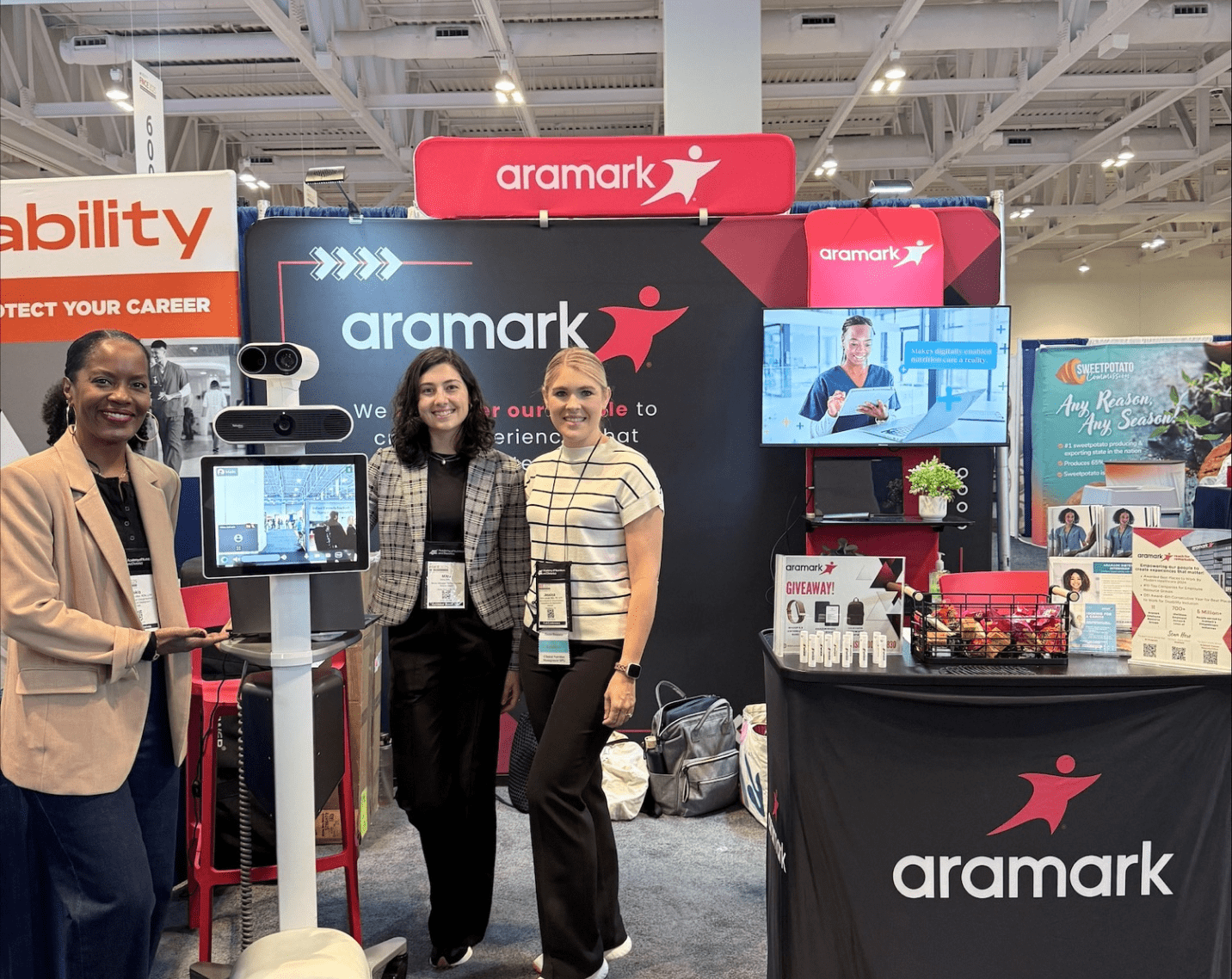
A 10-by-10 booth includes one full exhibitor conference badge and four Expo Hall access badges; allotments increase with booth size. Booth staff must be at least 18, and exhibitors receive drape, an ID sign, a floor sticker and perimeter security, but must arrange flooring, furniture and utilities separately. Staff the longest Sunday and Monday windows for coverage, then use Tuesday's shorter session for final meetings and documented handoffs.
Badge allotments differ by footprint: a 10-by-20 booth includes one full-conference badge and six Expo-access badges, while larger spaces add staff access according to the published table. Full exhibitor conference badges and booth badges carry different education rights. Match shift duties to badge type before arrival. Also brief staff on compliant claims, sample handling, escalation paths and how to record follow-up consistently across three differently paced Expo days.
What official lead-retrieval tool is offered at FNCE 2026?
The current official pages reviewed for this draft describe the attendee app, interactive floor plan and Exhibitor Hub, but they do not identify a contracted lead-retrieval vendor or product. Therefore this page does not assign a supplier name, price or feature set. Exhibitors who require badge scanning should confirm the approved service and ordering rules directly through the 2026 Exhibitor Hub or Expo Manager.
The absence of a public supplier name is not evidence that no official service exists. It means only that a current contract, order page or specification was not established in the sources used here. The Expo Manager is the appropriate channel for confirmation. Record the response, package name and effective year before adding it to the page or procurement plan; a provider used at another edition should not be carried forward automatically.
What can the official lead-capture tool capture, and what are its limits?
No current product specification was found in the verified 2026 sources, so capture fields, offline behavior, device limits, exports and CRM integrations remain unclaimed here. Ask the organizer whether the purchased package records notes and qualifiers or only badge data, when exports become available, and who owns the resulting records. Those answers determine where a separate conversation-capture workflow is still required.
Technical questions should cover more than scanning. Confirm device and license counts, connectivity behavior, manual entry, qualifier customization, notes, consent handling, export timing, data retention, support hours and integration options. Also establish whether staff must use organizer-issued hardware and whether one license can move between devices. Until those facts are documented, this guide avoids declaring that the official solution has or lacks any of them.
Is B2Brain an alternative to the FNCE lead-capture tool?
B2Brain supports account preparation before the show, structured conversation capture on the floor, meeting booking and event-to-CRM attribution. It does not issue FNCE badges, replace required organizer services or unlock private attendee data. For this event, its role is to preserve the clinical, commercial and next-step context around a conversation; any official scanning requirement should be confirmed and followed independently.
The distinction is workflow, not admission. B2Brain can help a revenue team arrive with researched accounts, capture a structured discussion and connect follow-up to pipeline. FNCE controls registration, badges, event access and approved exhibitor services. A compliant deployment respects those boundaries and the exhibitor's own privacy policies. The best configuration may be complementary if the organizer requires badge retrieval while the company needs deeper qualification and attribution.
Should exhibitors use B2Brain, the official tool, or both at FNCE 2026?
Use any mandatory organizer tool for access or approved badge retrieval, and use B2Brain when the team needs pre-show account context, qualification notes, a booked next meeting and downstream attribution. If the organizer confirms that its package already covers a required function, avoid duplicate entry by defining one system of record. The decision should follow verified workflow and compliance requirements, not an assumed feature comparison.
Before the event, assign each data element to one system and train staff on the sequence. For example, an approved scanner may retrieve permitted badge details while B2Brain retains the commercial note and scheduled follow-up. Document how duplicates are merged and how consent is handled. A two-tool setup is justified only when it reduces missing context or manual reconciliation; adding software without a clear handoff can make the data worse.
What should reps capture in every FNCE 2026 conversation?
Record the contact's role and practice setting, the patient, customer or operational problem, the current process, evidence or compliance requirements, buying participants, timing and agreed next action. For product conversations, note whether the interest is clinical, foodservice, research, education or consumer-facing. Capture an explicit follow-up such as a technical review, sample evaluation or stakeholder meeting rather than a vague request to send information.
Nutrition discussions can include health-related information, but booth staff should avoid collecting unnecessary patient details or sensitive personal data. Capture the business or practice need at the minimum useful level and follow company policy. If a contact requests scientific substantiation, record the exact claim or population they are evaluating. This allows the correct expert to respond without turning a brief Expo conversation into an incomplete clinical record.
How can teams maintain lead quality on the FNCE 2026 show floor?
Qualify against the person's actual scope: a student, researcher, clinical practitioner, educator and foodservice leader may value the same topic for very different reasons. Confirm titles and email details with the attendee, separate evidence requests from purchase intent and avoid treating a sample pickup as a buying signal. A concise note about the use case and decision process is more valuable than a long generic summary.
Use a short qualification rubric that fits the floor: relevant setting, clear problem, role in evaluation, realistic timing and an agreed action. The rubric should leave room for valuable non-sales outcomes such as research collaboration, education partnership or recruiting. Review notes during each shift, not only after travel, so unclear records can be corrected while memories are fresh. Quality control is easier when examples are event-specific and visible to the entire team.
How should FNCE 2026 leads be routed and followed up?
Route clinical evidence questions to medical or scientific teams, product evaluations to the appropriate commercial owner, education requests to programme specialists and career conversations to recruiting. Send the first follow-up with the promised resource and a specific next step while the discussion is still recognizable. Preserve the event, session or booth context in the CRM so later opportunity reporting can distinguish FNCE influence from ordinary inbound activity.
Service-level expectations should reflect the promised action. A requested paper or label can often be sent quickly; a compliance review, clinical consultation or multi-stakeholder meeting may need a longer, named owner. Do not send the same generic recap to every contact. Reference the relevant conversation, deliver the promised item and offer one next step. Update status in the CRM so another team does not repeat the request or contact the person without context.
How should exhibitors measure FNCE 2026 pipeline, ROI, and the decision to return?
Start with verified space and service costs, then add actual travel, staffing, freight, samples and sponsorship spend. Measure qualified conversations, accepted meetings, opportunities created or influenced, pipeline and closed revenue against that total. Do not insert an assumed conversion rate or contract value: the published booth price establishes cost, not return. Compare results by audience segment and use case before deciding whether a larger booth, different staffing plan or no return is justified.
Track both creation and progression. A meeting booked onsite is useful, but its value depends on attendance, qualification and movement into an opportunity. Likewise, an existing opportunity influenced by FNCE should be labeled differently from a new one. Review results after enough time for the sales cycle, and retain the source costs used in the denominator. Verified spend with measured outcomes is defensible; inserting an attractive ROI multiple before results exist is not.