


WaterSmart Innovations 2026 at a glance
- WaterSmart Innovations 2026 runs October 21 through 23 at Oregon Convention Center in Portland.
- The expo is open nine hours Thursday and four hours Friday, for 13 public exhibition hours.
- Early full-conference pricing is $595 for AWWA members and $695 for nonmembers through September 21.
- The official DoubleTree block lists a $169 rate and a September 30 booking deadline, subject to availability.
- Current public sources do not name a 2026 lead-retrieval vendor or publish a booth rate card.
What is WaterSmart Innovations 2026 in Portland?
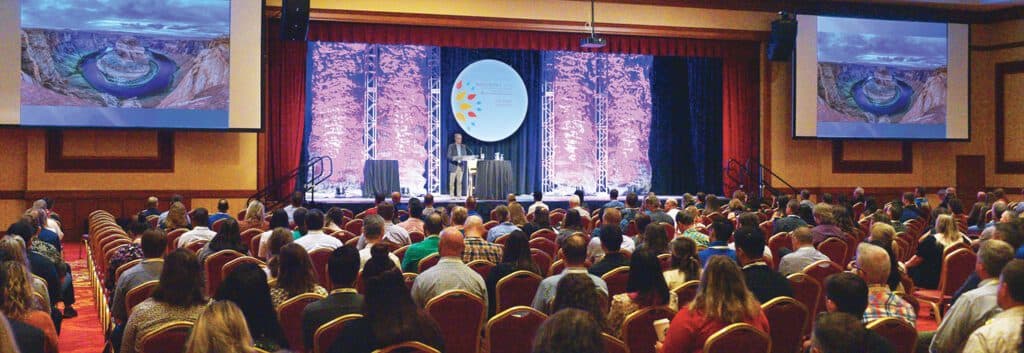
WaterSmart Innovations Conference & Expo 2026 is AWWA's Portland programme for water conservation, efficiency and resilient resource management. It runs October 21 through 23 at Oregon Convention Center. Workshops and facility tours occupy Wednesday, while professional education and a supplier exhibition run Thursday and Friday across subjects including urban water use, wildfire prevention and source-water data.
Who should attend or exhibit at WaterSmart Innovations 2026?
WaterSmart is relevant to utility staff, conservation specialists, engineers, planners, public agencies, researchers and consultants. Exhibitors need a direct connection to water efficiency, programme delivery, customer engagement, reuse or resource planning. A general water-sector product is a weaker fit unless its team can connect the offer to a published technical subject and a specific utility problem.
When does WaterSmart 2026 run, and when is the expo open?
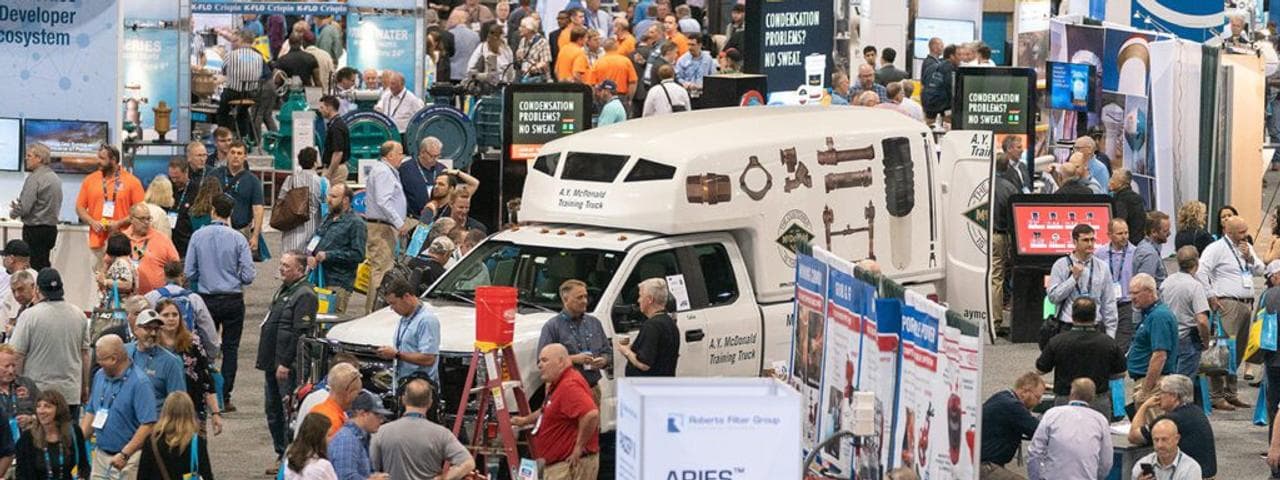
WaterSmart 2026 runs Wednesday, October 21, through Friday, October 23, in Portland. Registration opens at 7 a.m. Wednesday and Thursday, then 7:30 a.m. Friday. The expo is open Thursday from 9:30 a.m. to 6:30 p.m. and Friday from 10 a.m. to 2 p.m., for 13 public exhibition hours.
How should a team divide WaterSmart's three programme days?
Wednesday is reserved for separately booked workshops and facility tours. Thursday combines an 8:30 a.m. opening, technical sessions and nine expo hours, with the reception in the hall from 4:45 to 6:30 p.m. Friday provides four expo hours before the hall closes at 2 p.m.; professional sessions continue until 4:45 p.m.
Where is WaterSmart 2026 inside Oregon Convention Center?
WaterSmart uses Oregon Convention Center at 777 Northeast Martin Luther King Jr. Boulevard, Portland, Oregon 97232. Registration, education and the expo follow the conference programme, while Wednesday facility tours leave the main venue for separate water sites. The current exhibition map and session programme, rather than the street address alone, determine each booth, room and departure point.
How do the official hotel, MAX and PDX routes fit together?
AWWA places the official hotel about half a mile from Oregon Convention Center and describes either a ten-minute walk or a short MAX trip. Portland International Airport uses the PDX code, and the organiser links Red Line guidance for the airport return. Tour clothing and identity requirements are separate from ordinary convention-center travel and can determine the practical route.
Which WaterSmart 2026 pass matches each type of visit?
Full-conference registration covers education, the expo, reception and listed lunches; exhibits-only admission covers the hall without the education programme. Early full-conference prices are $595 for members and $695 for nonmembers, while early exhibits-only prices are $70 and $100. Workshops and facility tours cost an additional $90 to $180 and require separate reservations.
Which cancellation, badge and tour-access rules apply?
Written cancellation requests dated by September 21 receive a refund less a 25 percent administrative fee; later cancellations are not refunded, although substitutions are allowed. Speaker and student rates require validation. Facility tours can require identification, sturdy footwear and other safety conditions, so a general conference badge does not replace an activity reservation or site-access rule.
What does the official WaterSmart hotel block include?
The official WaterSmart block is at DoubleTree by Hilton Portland. AWWA publishes a $169 group rate and a September 30 booking deadline, subject to earlier sellout. The hotel is about half a mile from Oregon Convention Center, and qualifying bookings include the organiser's stated transit-pass arrangement. Taxes, availability and reservation-specific cancellation terms still govern the final stay.
When should WaterSmart travellers arrive and leave Portland?
A traveller joining a Wednesday workshop or tour needs to arrive by Tuesday night because the Bull Run option begins at 8 a.m. Friday departure depends on programme choice: the expo closes at 2 p.m., but education continues until 4:45 p.m. PDX transfer time, hotel checkout and any tour departure remain separate scheduling inputs.
Which sectors and products belong on the WaterSmart expo floor?
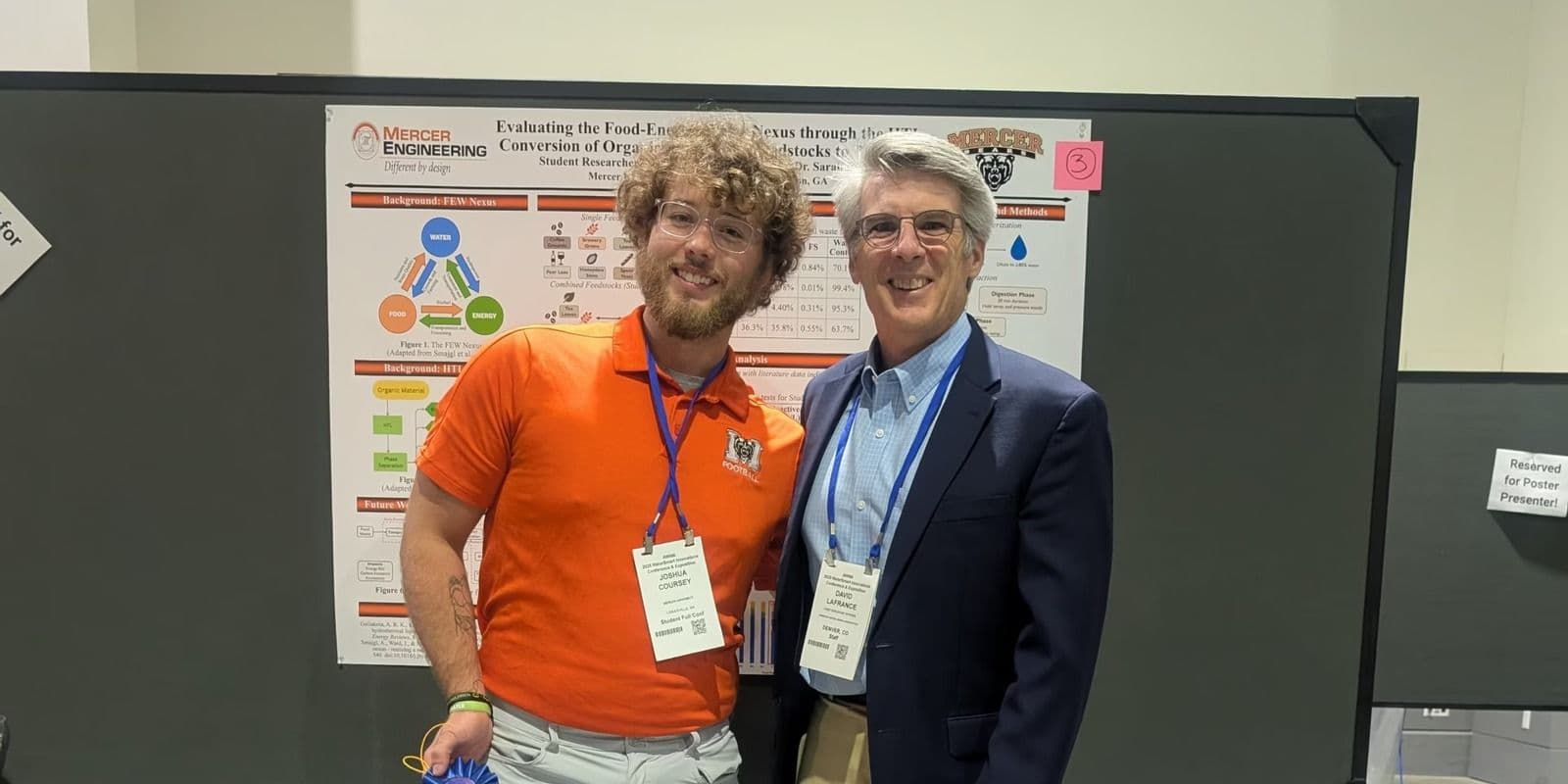
WaterSmart's expo is framed by conservation, demand management, customer engagement, reuse, source-water protection and planning. The current event page links the 2026 exhibition map and exhibitor hub rather than publishing a stable complete roster in open text. Programme contributors, research partners and organisations shown in prior-edition photos are not automatically current exhibitors or sponsors.
How should teams research the WaterSmart exhibitor directory?
Directory research should begin with one utility problem and the current 2026 exhibition map. Each shortlist entry needs a confirmed company, booth, product relevance, proposed question and account owner. The login-based exhibitor hub and technical programme add context, but neither establishes a complete attendee list, a named buyer or an active procurement at every organisation represented.
Which WaterSmart speakers, workshops and technical formats matter?
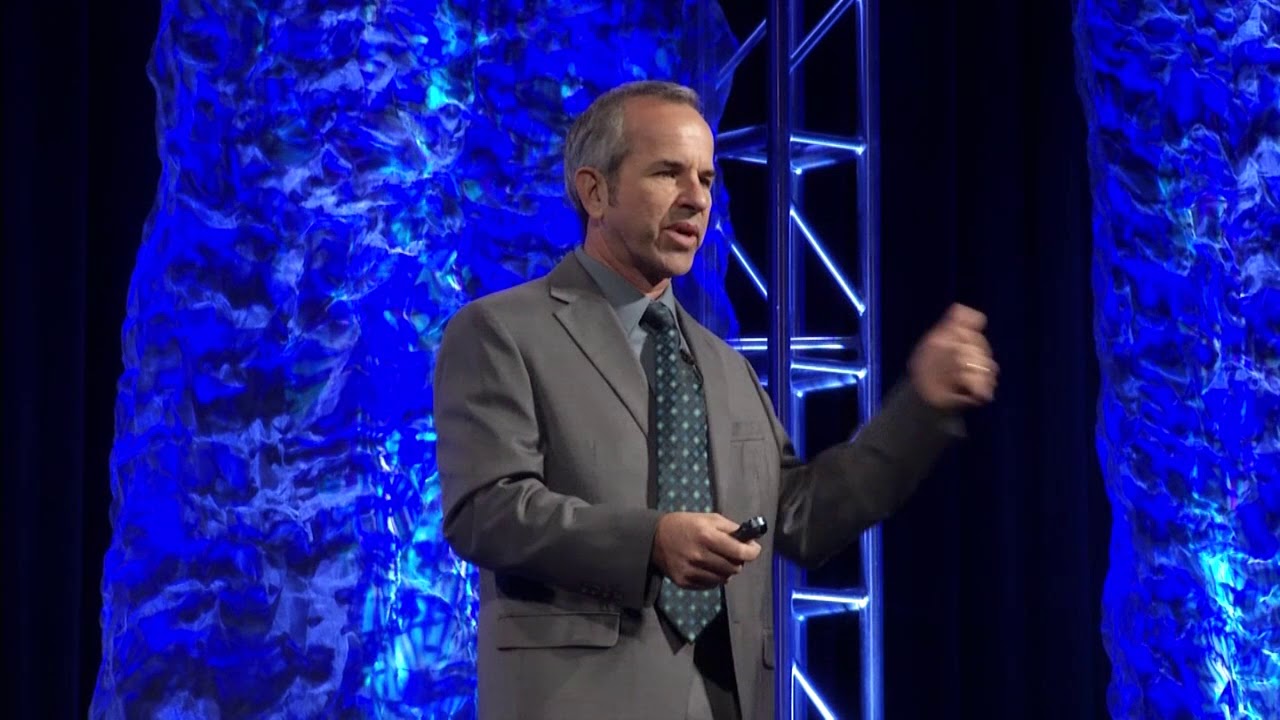
The programme includes Kari Vigerstol of The Nature Conservancy, a new wildfire-prevention track, urban water-use research and source-water data work. Workshops address modular planning, conservation fundamentals, cooling towers and cost-benefit methods. Wednesday also includes facility tours and a source-water focus group, while Thursday and Friday combine professional sessions with the supplier exhibition.
Where are the practical meeting windows at WaterSmart 2026?
The two expo windows provide 13 meeting hours: nine on Thursday and four on Friday. Thursday's reception occupies the hall from 4:45 to 6:30 p.m., creating a published conversation window after afternoon sessions begin. Friday supplier meetings must finish before the 2 p.m. hall close even though the education programme continues until 4:45 p.m.
Does the WaterSmart audience match a water-sector ICP?
The audience aligns with companies serving utility conservation, municipal water planning, customer programmes, data and efficiency work. It also includes researchers, consultants, policy professionals and students whose participation does not imply purchasing authority. The public materials do not verify a 2026 attendee total, budget-holder percentage or country split, so fit rests on the water problem and professional role.
How can WaterSmart exhibitors identify target utility accounts?
Target-account work can start with existing utility relationships and active conservation or resilience projects, then use the programme and expo map to identify relevant subjects and companies. Wildfire, urban-use and source-water sessions reveal professional interests, not private attendee identity or buying intent. Each selected account therefore needs a known owner, a legitimate project reason and a specific meeting question.
What can AWWA Events and the WaterSmart show planner do?
AWWA instructs attendees to use AWWA Events with their surname and the number printed below the confirmation or badge barcode. The app supports programme browsing, saved agenda items and education attendance tracking through session codes. Its tutorial also shows search, favourites, maps and messaging, but example screens from another AWWA event do not prove WaterSmart-specific booth or room details.
Where does WaterSmart planning stop and conversation capture begin?
AWWA Events manages programme choices and completion tracking; a commercial conversation record needs the organisation, role, water-management problem and agreed next action. A saved session, map view or check-in code does not establish purchase intent. The public app instructions also do not prove that its barcode login is WaterSmart's exhibitor lead-retrieval product or a native CRM connection.
Which costs belong in a WaterSmart 2026 exhibit budget?
WaterSmart's public attendee prices do not reveal the cost of exhibit space. A current budget needs the contracted footprint, furnishings, power, internet, freight, material handling, installation, insurance, staff travel, sponsorship and capture tooling. The event page routes exhibitors to its hub and prospectus process, but the reviewed material does not publish a current booth rate or complete service schedule.
How many booth reps fit WaterSmart's 13 expo hours?
WaterSmart provides nine expo hours Thursday and four Friday, for 13 total. B2Brain uses 31 scans per productive rep-day as a benchmark. Two reps across two expo days therefore represent 124 benchmark scans before demonstrations, breaks, session attendance and conversation length reduce practical capacity. Technical products may also require one subject specialist alongside the account owner.
What official lead-retrieval product is documented for WaterSmart 2026?
The current WaterSmart event page, exhibitor hub reference and AWWA Events tutorial do not identify a 2026 exhibitor lead-retrieval vendor, product, device price or order deadline. AWWA Events is documented for attendee planning and education tracking, not as the commercial capture product. This evidence gap prevents a named tool comparison without asserting that no official option exists.
Which official capture fields and limits are publicly documented?
Public WaterSmart sources do not document the official product's contact fields, custom qualifiers, notes, device limits, offline behaviour, export timing or CRM destinations. The AWWA Events tutorial establishes programme search and attendance tracking only. Those facts cannot be extended to badge scanning or exhibitor data access, so this section records the current evidence boundary instead of inventing missing capabilities.
Can B2Brain be compared fairly with WaterSmart's unnamed tool?
A fair product comparison needs at least two verified facts about WaterSmart's official capture offer, and those facts are not public in the reviewed current-edition material. B2Brain can still be described by its approved functions: account preparation, conversation context, meeting booking and event-to-CRM attribution. No claim about lower price, exclusive offline support or missing competitor features is supported here.
When should an exhibitor use one capture workflow or two?
WaterSmart's unnamed official capture offer has no published 2026 price or deadline, so a numeric tool-choice rule is not possible. One workflow is sufficient when it preserves authorised identity data, qualification context, ownership and the accepted next action. Two systems are defensible only when each performs a distinct documented job and their tested handoff avoids duplicate records.
Which fields belong in every WaterSmart booth conversation?
A WaterSmart conversation record should capture the organisation, professional role, utility or service context, current method, stated constraint, evaluation stage, timing and accepted next step. Conservation programme design, source-water research and product evaluation require different details. Sensitive infrastructure information that is unnecessary for the commercial purpose should not be placed in a marketing record.
How can a team protect lead quality during the two expo days?
Lead quality depends on complete context across Thursday's nine expo hours, the hall reception and Friday's four-hour window. Records need identity, organisation, problem, owner and action, while research exchanges, consultant partnerships and active utility evaluations remain distinct. A daily review can resolve duplicates and promised technical responses before Friday's 2 p.m. expo close.
When should WaterSmart leads be routed after the Friday close?
The expo closes Friday, October 23, at 2 p.m. Pacific time. B2Brain's approved lead-decay reference is about 85 percent conversion probability within two hours and about 9 percent after one week, making 4 p.m. Friday the first routing boundary and October 30 the one-week comparison date. Ownership follows the account, role and promised action.
Which WaterSmart metrics support a return decision without invented ROI?
A WaterSmart return decision can compare total participation cost with qualified conversations, meetings held and attributable opportunities, but current public material does not provide a booth rate or company ACV. Leads-to-Meeting means meetings booked divided by qualified booth leads; B2Brain reports 52 percent on the floor against an 8 percent industry average for post-event follow-up. This draft does not invent ROI.