


Key facts for 2026
- Tuesday, October 27 opens the three-day Automotive Testing Expo North America schedule.
- The organizer offers a free expo pass for the show floor.
- The 2026 directory currently filters United States (128) exhibitor listings.
- Conference content is described as four dedicated tracks.
- FHTglobal is the organizer's named accommodation bureau.
What changes at Automotive Testing Expo North America in 2026?
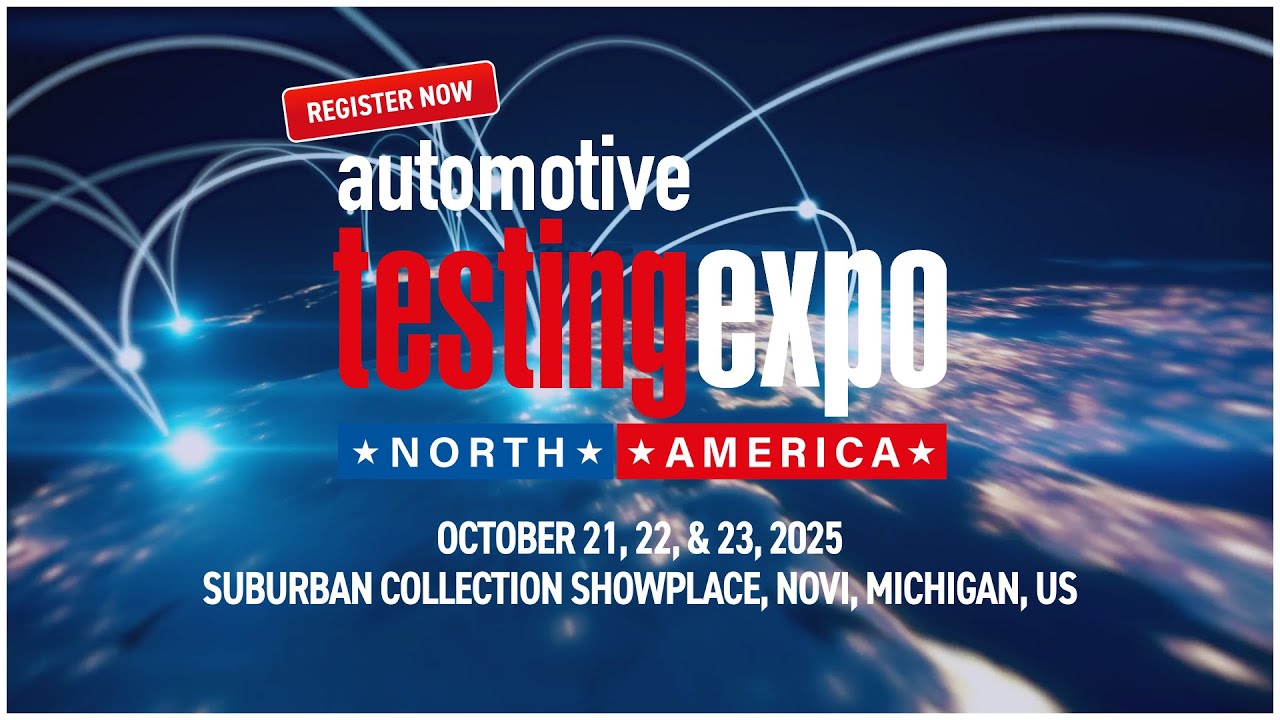
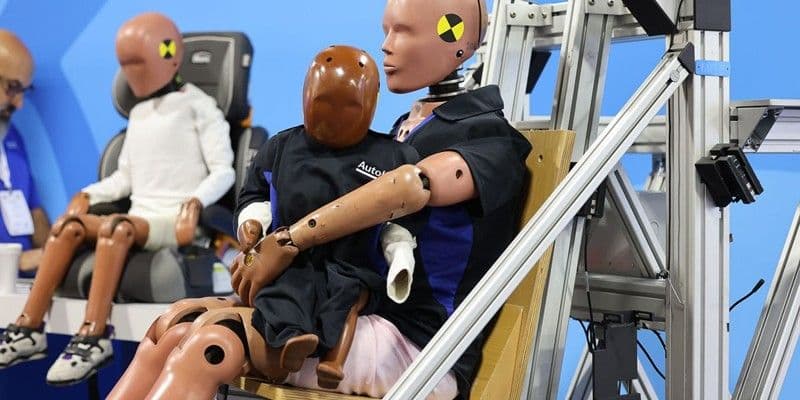
Automotive Testing Expo North America 2026 is the Novi testing and validation show within a wider vehicle technology week. Its organizer lists 200+ industry solutions, 3000+ professionals and 25+ speakers as promotional expectations. Intelligent Vehicle Expo and Automotive Design & In-Cabin Expo are the named adjacent exhibitions, broadening the audience beyond test equipment alone.
UKi Media & Events organizes the North American expo. The home page also describes 250+ solution providers, a different measure from the 200+ solutions figure; neither is treated as an audited attendance result.
Which vehicle testing teams should attend or exhibit in Novi?
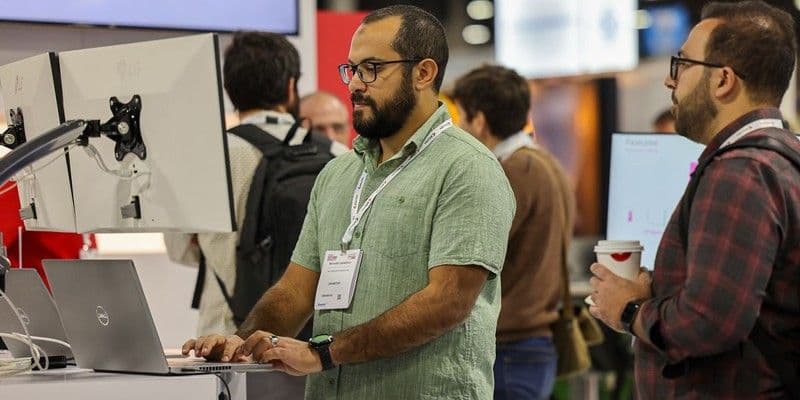
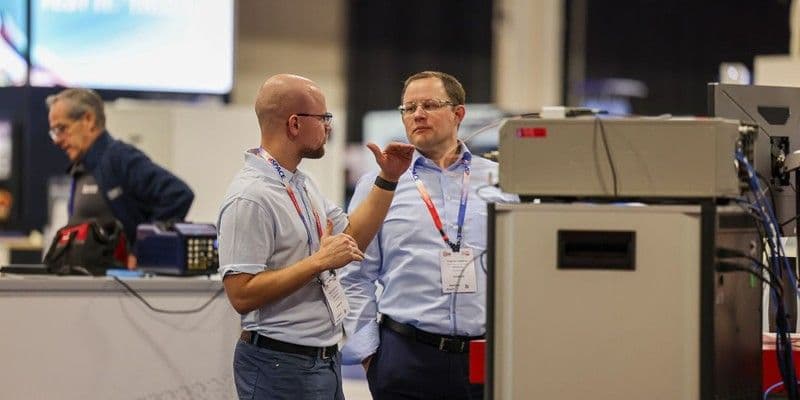
Automotive Testing Expo North America 2026 addresses engineering groups working from prototype tests through production validation. The stated audience includes Automotive OEMs, Tier 1 and Tier 2 Suppliers. Its published subjects span Vehicle testing and validation, ADAS and autonomous vehicle testing and Emissions and powertrain testing. These categories make the show relevant to teams with a defined vehicle test problem.
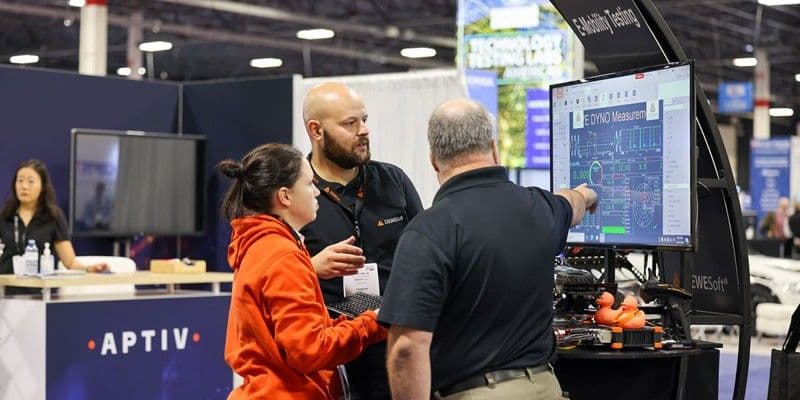
On the supply side, the organizer names NVH measurement tools, advanced test rigs and other equipment among its exhibitor categories. That is a more specific fit test than the broad automotive label.
What are the October 27 to 29 expo hours?
Automotive Testing Expo North America 2026 runs across three October dates with a shorter final day. Tuesday, October 27 and Wednesday, October 28 each open from 9:00 AM - 5:00 PM. Thursday, October 29 runs from 9:00 AM - 3:00 PM. These are expo opening times, not separate exhibitor move-in hours.
The organizer's FAQ identifies the same hours for all free expo pass holders. The shorter Thursday window leaves six hours for final floor visits or scheduled conversations.
How much open floor time does each 2026 show day provide?
For Automotive Testing Expo North America 2026, Tuesday, October 27 and Wednesday, October 28 each run 9:00 AM - 5:00 PM, yielding eight open hours apiece. Thursday, October 29 runs 9:00 AM - 3:00 PM, adding six. The three-day total is 22 hours before conference sessions or breaks are deducted.
See the 22-hour floor-time calculation method.
Where is the Novi show and how is its floor mapped?
Automotive Testing Expo North America 2026 takes place at Vibe Credit Union Showplace, 46100 Grand River Ave. in Novi. The organizer says there are bistros at the front of each hall. Its event app includes Explore the floor plan, so the 2026 layout can be paired with the live exhibitor list rather than an older hall map.
The organizer publishes a separate 2026 show-layout page. Stand identifiers in the directory use a T prefix, which helps distinguish testing suppliers on that map.
How do visitors reach Vibe Credit Union Showplace?
Automotive Testing Expo North America 2026 is reached through the Novi venue at 46100 Grand River Ave. The organizer places Detroit Metropolitan Airport 27 miles away. The venue says Parking fees may apply and a paid pass permits in-and-out privileges during the day. No fixed show-specific parking price is stated on the reviewed pages.
The venue's directions and parking information governs the final approach. Its published policy separates attendee parking from the northwest exhibitor area, so arrival routes can differ by badge type.
What does the free Automotive Testing Expo badge include?
Automotive Testing Expo North America 2026 offers a free expo pass for its three show days. The organizer says there are no specific criteria for professional accreditation, while its content program spans four dedicated tracks. The home page states that the Future of Automotive Testing conference is available to expo pass holders at no extra cost.
The badge is for the exhibition and associated published content, not proof of access to a private attendee list or exhibitor services portal. Registration remains on the official event site.
What age and trade access rules apply in 2026?
Automotive Testing Expo North America 2026 is for industry professionals only. Its FAQ gives a minimum age of 16+ and says there are no specific criteria for professional-body accreditation. The same page says Parking must be arranged with the venue, which is separate from the free show badge.
These are the access conditions the organizer has stated publicly; the reviewed FAQ does not give an event-specific cancellation charge for a free pass. Venue security and health rules still apply on site.
Which official housing options serve the Novi expo?
The organizer identifies FHTglobal as the official housing bureau for Automotive Testing Expo North America 2026 and gives uki-us@fht.global for accommodation queries. The venue lists Hyatt Place Detroit/Novi as INSIDE the Showplace, with 124 guest rooms. Those details establish location and capacity, not a guaranteed room rate or availability.
The venue also lists other nearby hotel partners. The organizer warns that outside accommodation solicitations may be unaffiliated with its official bureau.
Which arrival and departure dates fit the expo hours?
Automotive Testing Expo North America 2026 opens Tuesday, October 27 at 9:00 AM - 5:00 PM and closes Thursday, October 29 at 9:00 AM - 3:00 PM. A Monday, October 26 arrival leaves the first morning intact; a Thursday evening or Friday departure follows the final close. Detroit Metropolitan Airport is 27 miles from the venue.
See the arrival-window calculation for the Novi schedule.
Which testing suppliers and product areas are listed for 2026?
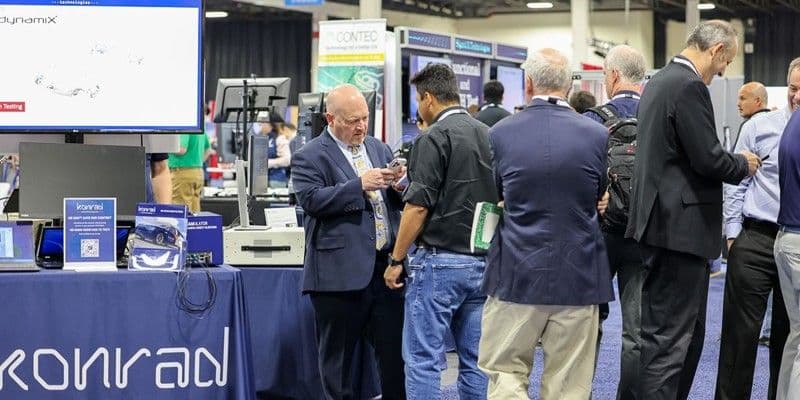
The current Automotive Testing Expo North America directory gives named companies and searchable technologies, rather than a static generic exhibitor claim. ESPEC North America appears at T1318, UTAC at T1332 and Photron USA at T1150. The product filters include Test simulation (59) and Automated test equipment (ATE) (66).
The figures are live directory filter counts, so product tags can overlap across companies and change before the expo. The directory is the appropriate source for a current stand lookup.
How large is the searchable 2026 exhibitor pool?
Automotive Testing Expo North America 2026 has a live directory with United States (128) and Germany (9) in its country filters, at least 137 listings across those two groups. Test simulation (59) and Automated test equipment (ATE) (66) are product filters, not extra exhibitors. Adding those categories would double count companies that list multiple capabilities.
See how the directory-filter count is used.
Which 2026 conference sessions put validation on the agenda?
Automotive Testing Expo North America 2026 has a published agenda that moves from strategy to technical validation. The Day 1 program includes Thermal management: A fireside chat with Gursaran D (GD) Mathur and Sowmya Jayaraman. A later session covers Validating camera-based ADAS perception with Ajay Gosh Reddy Are.
The agenda also lists Securing connected vehicles on the final day. Speakers and times remain subject to the organizer's stated program changes.
Where do meetings fit around the expo and conference blocks?
Automotive Testing Expo North America 2026 has 22 open floor hours across Tuesday, October 27, Wednesday, October 28 and Thursday, October 29. The Tuesday plenary is listed for 10am - 12.30pm, while a Wednesday technical block runs 9.50am - 12.40pm. A rep attending both gives up roughly 5 hours 20 minutes of the 22-hour floor window.
The FAQ also notes an official drinks reception, but its exact 2026 time is not published in the reviewed page. See the meeting-window arithmetic for conference days.
Does the published audience match an automotive testing buyer?
Automotive Testing Expo North America 2026 names Automotive OEMs, Tier 1 and Tier 2 Suppliers among its intended visitors. The organizer promotes 3000+ professionals, while its exhibitor description mentions NVH measurement tools, advanced test rigs and related validation equipment. The four dedicated tracks add technical content, but no audited buyer-title or purchasing-authority split accompanies those claims.
The strongest fit is a project tied to vehicle test, measurement or validation. General consumer automotive marketing would be a weaker match to the published program.
Is a 2026 attendee company list available for account targeting?
As of October 7, 2026, the reviewed Automotive Testing Expo North America audience and app pages describe who the show serves and allow meeting requests, but they do not publish an attendee company roster or private registration dataset. The public exhibitor directory is visible; it cannot be treated as a list of visiting buyers. This distinction limits any pre-show target-account count.
What can the Vehicle Tech Week North America app do?
The official Vehicle Tech Week North America 2026 app is free to download. Its published functions include Book meetings, Browse exhibitors, Build your agenda and Explore the floor plan. These features connect the wider co-located week, giving Automotive Testing Expo visitors a single place to plan sessions and company visits.
The organizer does not claim that a calendar booking is a completed sales meeting. The app description concerns discovery, scheduling and navigation.
Where does the event app stop short of booth lead capture?
Automotive Testing Expo North America 2026 presents the Vehicle Tech Week app as a planning tool. It can Book meetings and Browse exhibitors, while Build your agenda and Explore the floor plan cover scheduling and wayfinding. Its public feature page does not specify badge-scan fields, contact exports or CRM attribution for exhibitors.
The distinction matters because an appointment record and a documented booth conversation have different uses after the show. No current scanner product is inferred from the app's meeting function.
What are the published 2026 exhibiting costs?
As of October 7, 2026, the reviewed Automotive Testing Expo North America contractor and exhibitor pages do not show a public 2026 booth rate, corner premium or complete service price list. The contractor page points to an online exhibitor manual, but does not expose its priced orders without exhibitor access. A reliable total spend therefore cannot be assembled from these public sources.
How many floor hours must a Novi booth cover?
For Automotive Testing Expo North America 2026, 9:00 AM - 5:00 PM on each of two days and 9:00 AM - 3:00 PM on Thursday produce 22 staffed floor hours for one continuous position. Two simultaneous positions require 44 person-hours. The venue directs exhibitors to Northwest parking areas and North entrances ONLY during access.
Its rules cap electric-vehicle battery charge at no more than 30%, and All Freight Handling needs to go through Art Craft Display. See the booth-hour calculation.
Who supplies official badge scanning in 2026?
As of October 7, 2026, the Automotive Testing Expo North America contractor information, public app description and organizer FAQ do not identify a contracted 2026 badge-scanning supplier. The contractor page directs exhibitors to an online manual, yet the public page does not name a lead-retrieval product. No vendor name can be assigned to the official scanner on the evidence reviewed.
What has the official scanner published about capture and exports?
The public Automotive Testing Expo North America 2026 sources reviewed on October 7 describe the event app's meeting and floor-planning functions, but not the specifications of a contracted scanner. The app can Book meetings, which does not establish badge fields, note capture, offline behavior, export timing or consent terms. Those details remain unverified for this edition.
Can B2Brain be compared with the official 2026 scanner?
Automotive Testing Expo North America 2026 has no verified current scanner specification in the reviewed contractor and app pages as of October 7. A feature-by-feature comparison with B2Brain would therefore imply capabilities or limits that the official supplier has not published. B2Brain's approved scope covers pre-event targeting, on-floor conversation capture and post-event attribution; the event-side product remains unidentified.
Is a show scanner required alongside B2Brain?
The reviewed Automotive Testing Expo North America 2026 public pages do not state whether exhibitors must buy a designated scanner, may use their own device, or can export badge data into another system. The event app describes Book meetings, not a mandatory booth service. As of October 7, the requirement for a parallel official tool cannot be established from those sources.
Which testing details belong in a booth conversation record?
At Automotive Testing Expo North America 2026, a useful conversation record distinguishes Vehicle testing and validation from ADAS and autonomous vehicle testing, NVH measurement and analysis or Emissions and powertrain testing. Those published categories point to different equipment, validation cycles and technical owners, so a bare contact record would lose the reason the parties spoke.
The agreed next action can then be associated with the specific test requirement and buying role, using B2Brain's approved conversation context rather than an assumed badge field.
What lead quality evidence exists for this show?
As of October 7, 2026, the organizer's Automotive Testing Expo North America audience and exhibitor pages describe sectors and product types, but publish no event-specific qualification rate, accepted lead definition or post-show conversion result. The promoted 3000+ professional figure is an audience expectation, not evidence that any particular booth conversation will become a sales opportunity.
When should 2026 expo follow-up start?
Automotive Testing Expo North America 2026 ends on Thursday, October 29 at 9:00 AM - 3:00 PM. Friday, October 30 is the next calendar day for first follow-up. The 9:00 AM - 5:00 PM Tuesday and Wednesday windows plus Thursday's six hours give 22 total floor hours in which to record the context needed for that follow-up.
See the next-day follow-up schedule calculation.
Can a 2026 exhibitor ROI be calculated from public data?
The Automotive Testing Expo North America 2026 public pages reviewed on October 7 establish show dates, access and program content, but do not disclose a complete booth cost, contract value, qualified meeting rate or resulting pipeline for a specific exhibitor. The promoted 3000+ audience figure cannot fill those missing inputs. No event-specific return percentage is supportable before actual costs and outcomes exist.